Personal growth is more than achieving career milestones or reaching external goals. It involves understanding yourself deeply, healing emotional wounds, and creating balance within. One therapeutic approach that has gained growing recognition for supporting this transformation is Internal Family Systems Therapy. For individuals seeking meaningful and lasting change, exploring Internal Family Systems Therapy can become a powerful path to personal growth.
Understanding Internal Family Systems Therapy
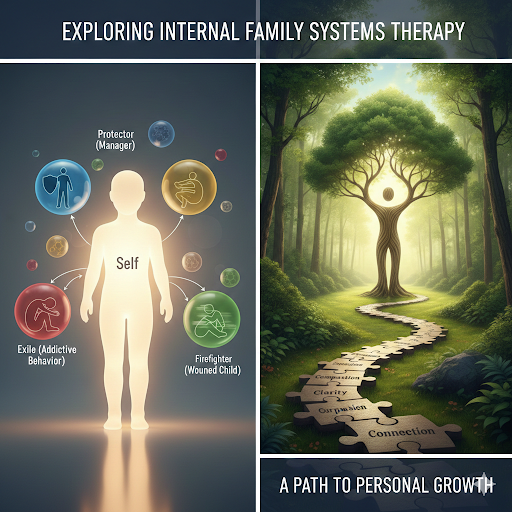
Internal Family Systems Therapy, often referred to as IFS, is an evidence-based psychotherapy model developed by Dr. Richard Schwartz. The core concept behind IFS is that the human mind is made up of different parts, each with its own feelings, beliefs, and roles. Rather than seeing these parts as problems, IFS views them as protective responses formed through life experiences.
At the center of this system is the Self, which represents calmness, clarity, compassion, and confidence. Around the Self are various parts that try to manage life, protect against emotional pain, or carry unresolved wounds. Interested individuals can explore Internal Family Systems therapy in Richmond Hill at Inner Summits, where expertise in this approach is provided.
The Core Concept of “Parts” and the Self
According to IFS, internal conflict happens when protective or wounded parts take control. Some parts work hard to prevent failure or rejection. Others react quickly when emotional pain surfaces. Still others hold onto past trauma, shame, or fear.
The goal of Internal Family Systems Therapy is not to eliminate these parts. Instead, it helps individuals access their core Self and lead their internal system with compassion. When the Self is in charge, the inner world becomes more balanced and less reactive.
How Internal Family Systems Therapy Supports Personal Growth
Personal growth requires self-awareness, emotional healing, and resilience. IFS addresses each of these elements in a structured and compassionate way.
Building Self-Awareness
Many people experience inner tension without fully understanding its source. One part may seek achievement and perfection, while another fears criticism or failure. These competing forces can create anxiety, procrastination, or self-doubt.
Through Internal Family Systems Therapy, individuals learn to identify these parts and observe them without judgment. This increased awareness provides clarity about emotional triggers and recurring behavioral patterns. Self-awareness becomes the first step toward meaningful change.
Healing Emotional Wounds
Unresolved experiences from childhood, trauma, or painful life events often create vulnerable parts that carry emotional burdens. These burdens may show up as low self-esteem, fear of abandonment, or chronic insecurity.
Internal Family Systems Therapy gently helps individuals connect with these wounded parts in a safe and supportive environment. By approaching them with compassion instead of avoidance, emotional pain can be processed and released. This healing process creates space for confidence, stability, and renewed self-trust.
Improving Emotional Regulation
Many behaviors that appear unhealthy are actually protective strategies developed to prevent deeper emotional pain. Overworking, withdrawing, or reacting defensively can be attempts to maintain safety.
IFS helps individuals understand the protective intention behind these reactions. When people recognize what their parts are trying to achieve, they can respond to stress with greater calmness and balance. Improved emotional regulation strengthens resilience and supports long-term personal growth.
Strengthening Self-Compassion
Self-criticism often blocks personal development. Harsh internal dialogue can reinforce shame and prevent progress. Internal Family Systems Therapy strengthens connection to the core Self, which naturally embodies patience, curiosity, and compassion.
As individuals learn to lead from this grounded state, they become more forgiving and understanding toward themselves. This shift encourages healthier decisions, reduces inner conflict, and fosters sustainable growth.
The Impact of IFS on Relationships
Personal growth does not happen in isolation. Internal patterns strongly influence external relationships. Protective parts may avoid vulnerability to prevent rejection. Fearful parts may cling too tightly to others for reassurance. Critical parts may create tension in communication.
By exploring these patterns through Internal Family Systems Therapy, individuals develop greater emotional clarity. This awareness allows them to respond thoughtfully rather than react impulsively. As internal harmony increases, relationships often become more stable and authentic.
What to Expect in an Internal Family Systems Therapy Session
In a typical IFS session, a trained therapist guides the individual to focus on a specific emotional experience or challenge. The therapist helps identify the parts involved and encourages separation from them so the Self can lead.
Through compassionate dialogue, protective and wounded parts begin to feel understood rather than judged. Over time, these parts release extreme roles and trust the leadership of the Self. The process is collaborative, gentle, and designed to create safety.
Long-Term Benefits of Exploring Internal Family Systems Therapy
The long-term impact of Internal Family Systems Therapy goes beyond symptom relief. As internal conflict decreases, decision-making becomes clearer and more confident. Stress feels more manageable, and goals feel more achievable.
Many individuals experience reduced anxiety, improved emotional stability, stronger self-confidence, and a clearer life direction. Because IFS addresses the root causes of emotional struggles, the changes tend to feel deep and lasting.
Why Internal Family Systems Therapy Is a Path to Personal Growth
Exploring Internal Family Systems Therapy is not simply about fixing problems. It is about transforming the relationship you have with yourself. When you approach your inner world with curiosity instead of criticism, healing becomes possible.
As the Self begins to lead with calmness and clarity, personal growth unfolds naturally. You become more aligned with your authentic identity, more resilient in the face of challenges, and more connected in your relationships.
Internal Family Systems Therapy offers a thoughtful and compassionate framework for emotional healing. For those seeking deeper self-understanding and lasting transformation, it provides a powerful and sustainable path to personal growth.